
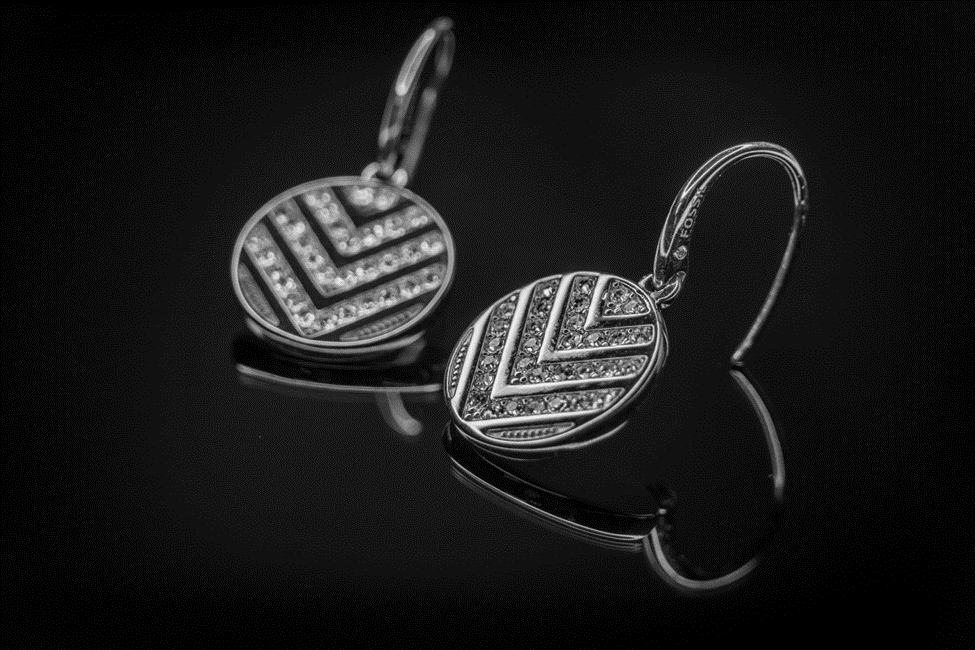
Silver jewellery has demonstrated remarkable staying power in an industry often driven by fast-changing trends. While styles evolve and materials rise and fall in popularity, silver continues to attract consumers across age groups, lifestyles, and price sensitivities. This sustained demand is not accidental—it reflects deeper shifts in consumer behaviour, values, and purchasing priorities.
Understanding why silver jewellery remains relevant helps retailers, designers, and buyers align collections with long-term demand rather than short-lived trends.
The Enduring Appeal of Silver as a Material
Silver occupies a unique position in the jewellery market. It offers the visual appeal of precious metal while remaining accessible to a broad audience.
Key attributes driving silver’s appeal include:
- Neutral tone that complements all skin tones
- Compatibility with both casual and formal styles
- Perceived authenticity as a precious metal
- More approachable pricing compared to gold or platinum
These qualities allow silver to adapt continuously to changing fashion narratives.
Consumer Shift Toward Versatility
Modern consumers increasingly favour jewellery that can be worn in multiple contexts. Pieces that transition from work to leisure or from everyday wear to special occasions are valued more than single-purpose designs.
Silver jewellery excels in this area because:
- It pairs easily with different outfits
- It suits both minimalist and statement styling
- It layers well with other metals and gemstones
Versatility directly influences repeat purchases and long-term wear.
Generational Preferences and Silver Jewellery
Different generations interact with silver jewellery in distinct ways, yet all contribute to its ongoing popularity.
- Younger buyers often gravitate toward silver for its affordability and contemporary feel.
- Mid-career consumers value silver for everyday wear and gifting
- Older buyers appreciate silver’s familiarity, tradition, and understated elegance
This cross-generational appeal stabilizes demand over time.
Minimalism and the Rise of Everyday Jewellery
Minimalist fashion trends have influenced jewellery design significantly. Consumers increasingly choose subtle, refined pieces that integrate seamlessly into daily life.
Silver supports minimalism through:
- Clean visual lines
- Soft, reflective finish
- Ability to showcase simple forms
Minimalist silver jewellery often becomes part of a daily uniform rather than an occasional accessory.
Layering Trends and Modular Styling
Layering has become one of the most influential jewellery trends of the past decade. Consumers combine multiple pieces to create personalized looks.
Layering-friendly attributes include:
- Lightweight designs
- Neutral colour palette
- Availability in varied lengths and thicknesses
Chains play a central role in this trend, making silver chains a consistent staple in layered jewellery styling.
Price Sensitivity and Value Perception
Economic uncertainty has made consumers more value-conscious. Buyers increasingly assess cost relative to wearability, durability, and versatility.
Silver aligns with value-driven behaviour by:
- Offering precious metal status at accessible prices
- Providing durability suitable for frequent wear
- Supporting both entry-level and premium designs
Value perception influences purchasing confidence.
Ethical Awareness and Material Choices
Consumers are more informed about sourcing and sustainability. While silver is a mined material, many buyers perceive it as a more responsible choice when sourced transparently.
Ethical considerations influencing silver demand include:
- Preference for traceable materials
- Reduced emphasis on excess luxury
- Alignment with responsible consumption values
Transparency enhances trust and loyalty.
Silver in Contemporary Design Aesthetics
Modern jewellery design often emphasizes clean forms, geometric shapes, and subtle texture. Silver’s malleability and finish make it ideal for contemporary aesthetics.
Designers use silver to:
- Experiment with form without high cost
- Highlight craftsmanship details
- Support modern, gender-neutral designs
Contemporary design trends reinforce silver’s relevance.
Gift-Giving Behaviour and Silver Jewellery
Silver jewellery remains a popular gifting option due to its balance of sentiment and affordability.
Gift-related advantages include:
- Broad acceptability across ages
- Lower risk of sizing issues with chains and bracelets
- Perceived thoughtfulness without extravagance
Gift demand supports steady sales cycles.
The Role of Social Media in Jewellery Trends
Social platforms influence how consumers discover and style jewellery. Silver performs well visually in digital content due to its reflective quality and adaptability.
Social-driven trends often emphasize:
- Layered looks
- Minimalist styling
- Everyday wear scenarios
Silver jewellery integrates naturally into these narratives.
Longevity vs Fast Fashion Accessories
As sustainability concerns grow, some consumers are moving away from disposable accessories toward longer-lasting pieces.
Silver supports longevity through:
- Durable material properties
- Timeless appearance
- Repairability and maintenance options
Longevity aligns with evolving consumer values.
Consumer Education and Informed Purchasing
Modern buyers research materials, care requirements, and value before purchasing. Education influences material preference.
Informed consumers recognize that:
- Silver can last decades with proper care
- Tarnish is manageable and does not damage
- Quality construction matters more than trendiness
Education strengthens silver’s position.
Retail Strategy: Balancing Trends and Core Demand
Retailers increasingly balance trend-driven items with core inventory that delivers consistent turnover. Silver jewellery often forms the foundation of this strategy.
Core silver pieces:
- Sell steadily year-round
- Support predictable restocking
- Complement seasonal trend items
This balance improves financial stability.
The Importance of Finish and Craftsmanship
Consumers pay closer attention to quality details, even at accessible price points. Finish quality and construction influence satisfaction.
Quality indicators include:
- Smooth edges and joints
- Even polishing
- Secure closures
High craftsmanship reinforces perceived value.
Cultural Influences and Silver Jewellery
Silver holds cultural significance in many traditions, contributing to its global appeal. This cultural resonance supports demand beyond fashion trends.
Cultural relevance adds emotional value to silver pieces.
Silver Jewellery in Professional Settings
Workplace dress codes increasingly allow subtle jewellery. Silver’s understated appearance suits professional environments.
Professional appeal includes:
- Non-distracting appearance
- Polished, clean aesthetic
- Compatibility with formal attire
This supports daily wear adoption.
Seasonal Trends and Silver Adaptability
Unlike coloured gemstones or bold statement pieces, silver adapts easily to seasonal fashion shifts.
Seasonal adaptability includes:
- Pairing with winter layers
- Complementing summer minimalism
- Matching seasonal colour palettes
Adaptability reduces inventory risk.
Retail Expansion and Wholesale Sourcing
Retailers expanding collections often prioritize silver due to its predictable demand and broad appeal.
Many businesses explore wholesale jewelry options to maintain a consistent inventory while responding to evolving consumer preferences.
Wholesale access supports scalability.
Consumer Trust and Repeat Purchasing
Trust influences repeat purchases. When consumers are satisfied with the performance of silver jewellery, they are more likely to buy again.
Repeat behaviour is driven by:
- Comfortable wear experience
- Durable construction
- Versatile styling
Trust compounds over time.
The Impact of Economic Cycles on Jewellery Choices
During uncertain economic periods, consumers often gravitate toward practical luxury items that feel special without high cost.
Silver fits this category by:
- Maintaining precious metal status
- Offering reasonable pricing
- Supporting everyday wear
Economic resilience supports long-term demand.
Avoiding Trend Fatigue With Silver Jewellery
Fast-moving trends can lead to consumer fatigue. Silver’s timelessness provides relief from constant trend turnover.
Timeless design reduces regret and increases satisfaction.
Silver Jewellery as a Foundation Category
Rather than chasing every trend, many retailers build collections around silver as a foundation, layering trends on top.
Foundation categories provide stability.
Future Outlook for Silver Jewellery
As consumers continue prioritizing versatility, ethics, and value, silver’s role in the jewellery market is likely to strengthen.
Innovation in design and finishing will further expand its appeal.
Final Thoughts
Silver jewellery’s enduring popularity reflects more than aesthetic preference—it reveals how consumer behaviour has evolved toward versatility, value, and thoughtful consumption. Across generations, economic cycles, and fashion shifts, silver continues to meet buyers where they are, especially through timeless pieces like sterling silver chains that combine everyday wearability with lasting style.
By understanding these behavioural drivers, retailers and designers can position silver jewellery not as a fallback option, but as a strategic cornerstone of modern collections. Its adaptability, accessibility, and timeless appeal ensure that silver remains not just relevant but essential in an ever-changing jewellery landscape.